

Introduction
Spleen removal surgery, also called splenectomy, is a procedure where doctors take out the spleen. The spleen is an organ in your upper left belly. It helps fight infections and filters blood. Sometimes, doctors recommend this surgery for serious health reasons. Understanding the indications of spleen removal surgery is important. This helps you know when spleen removal is necessary and what to expect. In this blog, you will learn about the reasons for splenectomy, symptoms, risks, and tips for recovery.
What is Spleen Removal Surgery?
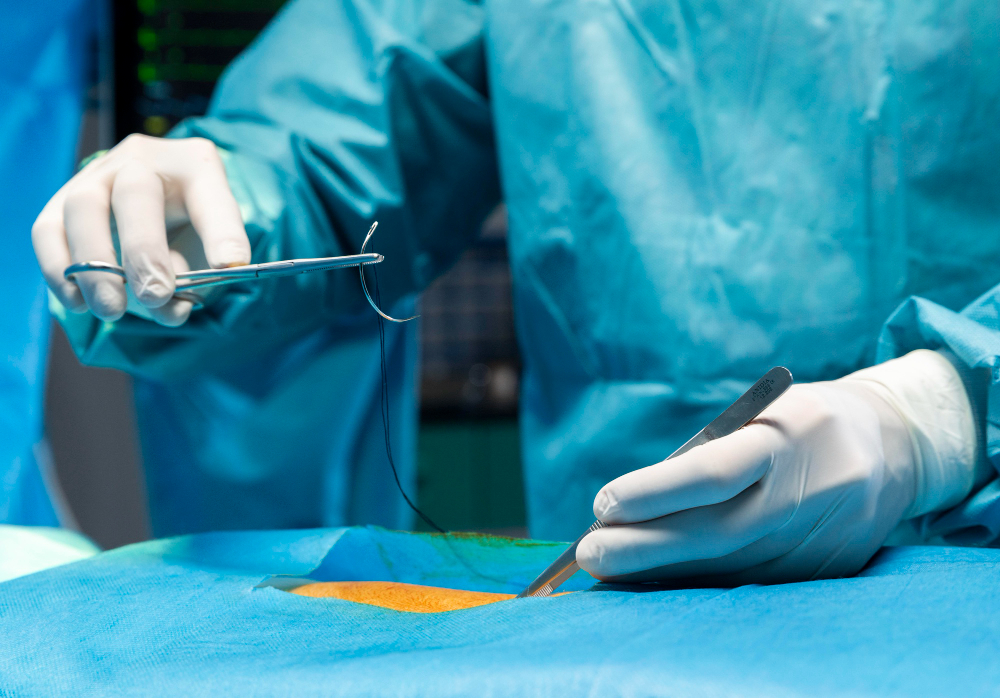
Spleen removal surgery, or splenectomy, is when a surgeon removes the spleen. Usually, this is done through a small cut using special tools (laparoscopic surgery). Sometimes, a larger cut is needed. Doctors perform this surgery when the spleen is damaged or causing health problems. While the spleen is helpful, you can live without it. However, you may need to take extra steps to stay healthy after the surgery.
Why is Spleen Removal Needed?
There are several indications of spleen removal surgery. Doctors may suggest this procedure for different reasons. Below are the main causes:
Doctors always weigh the risks and benefits before recommending splenectomy. According to the CDC, spleen removal is only done when truly needed.
Symptoms and Diagnosis Leading to Spleen Removal
Doctors look for certain signs before deciding on spleen removal. Common symptoms include:
To diagnose spleen problems, doctors may use:
Sometimes, these tests show the spleen is too large or not working right. In such cases, your doctor may discuss the reasons for splenectomy with you.
Risks and Considerations Before Surgery
Before spleen removal, doctors explain the risks and benefits. Although the surgery is common, it is not without risks. Some possible risks include:
Because the spleen helps fight germs, you may need vaccines before and after surgery. These vaccines protect you from certain infections. Your doctor will also discuss what to expect and how to prepare for the procedure.
What to Expect After Spleen Removal
After spleen removal, you will stay in the hospital for a few days. Most people recover well, but you may feel tired at first. Your doctor will give you instructions for care at home. You may need to:
With proper care, most people return to normal activities within a few weeks. However, you will need to be careful about infections for life.
Prevention and Lifestyle Tips Post-Surgery
Living without a spleen means you must take extra steps to stay healthy. Here are some tips:
With these steps, you can lower your risk of serious infections. The CDC and WHO both recommend these precautions for people without a spleen.
Conclusion
In summary, the indications of spleen removal surgery include trauma, blood disorders, cancers, and infections. Doctors only recommend splenectomy when it is truly needed. If you or a loved one may need this surgery, talk to your healthcare provider. They can give you advice based on your unique health needs.
Consult your doctor at Citi Hospital for personalized advice about spleen removal surgery and your health.