

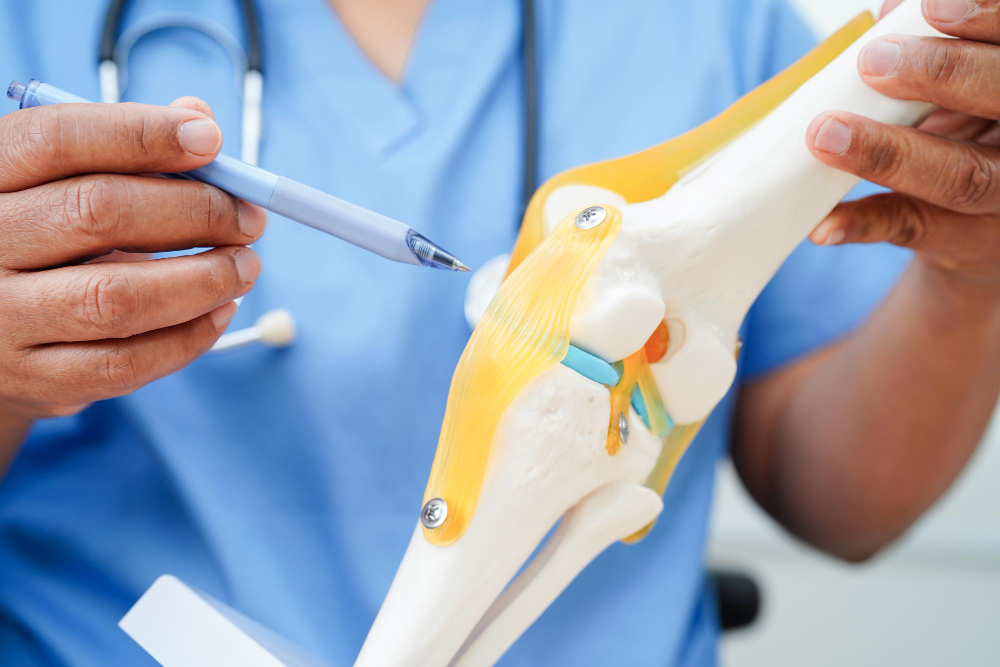
What is Knee Replacement?
Knee replacement is a surgery that helps people with severe knee pain. Often, this pain comes from arthritis or injury. During the surgery, doctors remove damaged parts of the knee. Then, they replace them with artificial parts. Because of this, many people can walk better and feel less pain. Knee replacement surgery is common in many places, including the United States and India. According to the CDC, over 750,000 knee replacements are done each year in the U.S.
What is Partial Knee Replacement?
Partial knee replacement is a type of knee surgery. In this procedure, only the damaged part of the knee is replaced. The rest of the knee stays the same. For example, if only one side of your knee is worn out, doctors may suggest this option. Partial knee replacement is less invasive than total knee replacement. As a result, recovery can be faster for some people. However, not everyone is a good candidate for this surgery.
What is Total Knee Replacement?
Total knee replacement is a more common knee surgery option. In this procedure, doctors replace the entire knee joint with artificial parts. This surgery is often needed when damage affects most or all of the knee. Because the whole joint is replaced, it can help with severe pain and stiffness. Many people choose total knee replacement when other treatments do not work.
Key Differences Between Partial and Total Knee Replacement
It is important to know the differences between partial knee replacement vs total knee replacement. Here are the main points:
Pros and Cons of Each Procedure
Both surgeries have benefits and drawbacks. Let’s look at them:
Partial Knee Replacement
Total Knee Replacement
Who is a Candidate for Each Surgery?
Not everyone can have both types of knee surgery. Doctors look at your knee damage, age, and health. For example, you may be a good candidate for partial knee replacement if:
On the other hand, total knee replacement may be better if:
Always, your doctor will help decide which knee replacement is right for you.
Recovery and Rehabilitation
Recovery after knee replacement depends on the type of surgery. With partial knee replacement, many people walk with help in one or two days. Often, they return to normal activities in four to six weeks. In contrast, total knee replacement may need a longer recovery. Usually, it takes about three months to return to most activities. Physical therapy is important for both surgeries. It helps you regain strength and movement. According to the American Academy of Orthopaedic Surgeons, most people see big improvements within six months.
Prevention and Lifestyle Tips
Even after knee surgery, healthy habits matter. Here are some tips to protect your knees and new joint:
Additionally, regular check-ups help spot any problems early.
Conclusion
In summary, both partial and total knee replacement can help reduce pain and improve movement. However, the right choice depends on your knee damage and health. Because every person is different, it is best to talk to a knee specialist. Consult a specialist at Citi Hospital (Dr. Saliya Dharmayath) for personalized guidance on knee replacement options.