
Introduction
Diabetic foot care is very important for people with diabetes. Early screening can help prevent serious problems. Many people do not know that foot screening for diabetics can catch issues before they get worse. In fact, preventing diabetic foot complications is easier when you check your feet often. With simple diabetic foot prevention tips, you can keep your feet healthy. If you live in a city with diabetes care centers, you can also get help from local experts. Taking care of your feet can save you from pain and infection.
What Is Diabetic Foot?
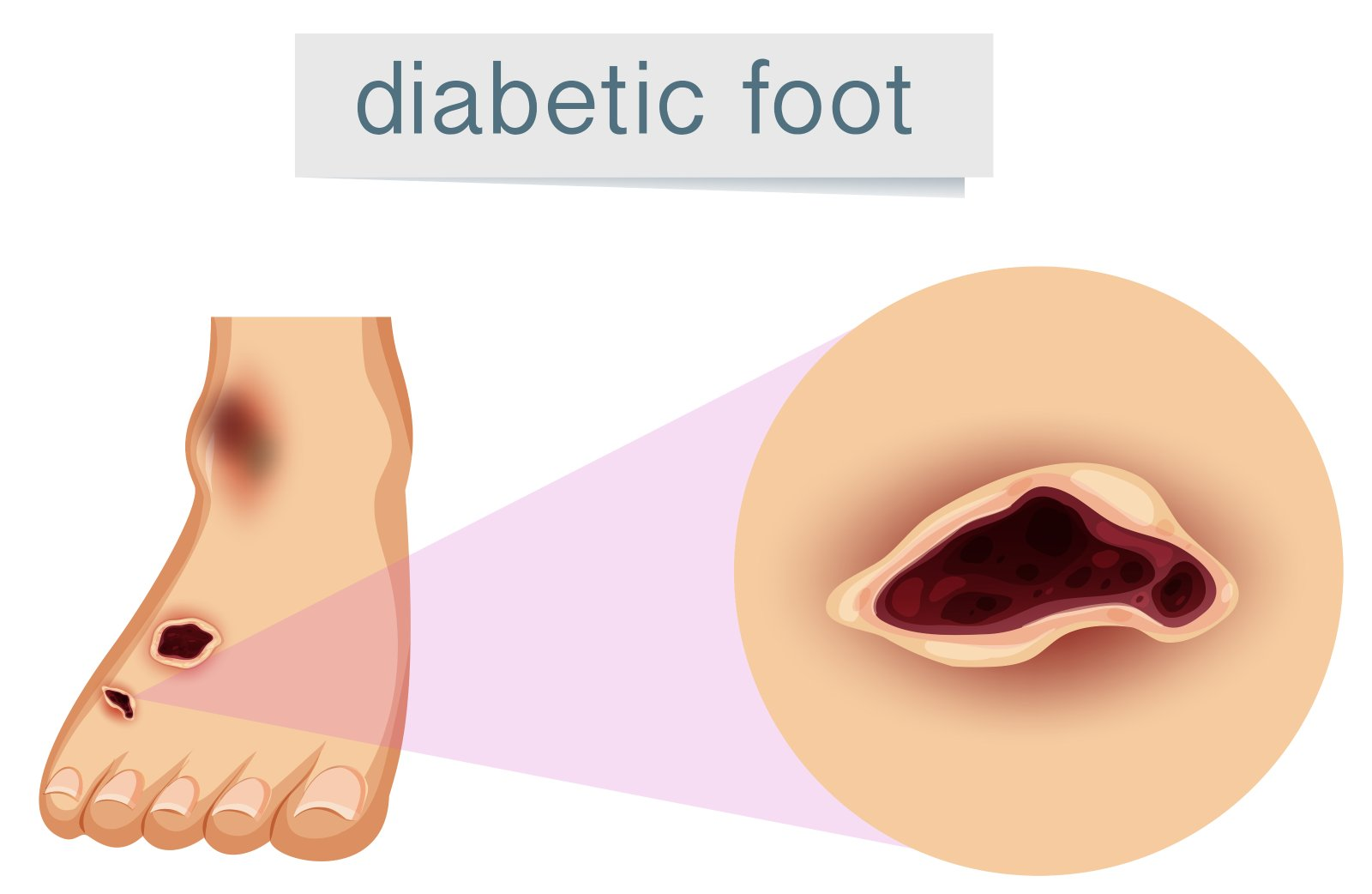
Diabetic foot means any foot problem caused by diabetes. Because diabetes can damage nerves and blood flow, your feet may not heal well. Sometimes, small cuts or blisters can turn into big wounds. Over time, these wounds may get infected. If not treated, they can lead to serious complications. For example, some people may even need surgery. Therefore, understanding diabetic foot is the first step to staying safe.
Why Early Screening Matters
Early screening helps find foot problems before they become serious. When you check your feet often, you can spot changes right away. As a result, you can get treatment quickly. Early care lowers the risk of infection and other issues. According to the CDC, regular foot checks can prevent many diabetic foot complications. So, early screening is a key part of diabetic foot care.
Common Symptoms and Warning Signs
It is important to know the warning signs of diabetic foot problems. If you notice any of these, act quickly:
Because these signs can lead to bigger problems, do not ignore them. Instead, talk to your doctor if you see any changes.
Risk Factors for Diabetic Foot Complications
Some people have a higher risk of diabetic foot problems. Knowing your risk can help you stay alert. Common risk factors include:
If you have any of these risk factors, you should be extra careful. Regular foot screening for diabetics is even more important for you.
How Screening Is Done
Screening for diabetic foot problems is simple and painless. Usually, a doctor or nurse will:
Sometimes, they may use special tests to check blood flow. Early screening can catch problems before they get worse. Therefore, it is a good idea to get your feet checked at least once a year.
Prevention and Self-Care Tips
Good foot care can prevent many problems. Here are some easy diabetic foot prevention tips:
Because prevention is easier than treatment, make these steps part of your daily routine.
When to See a Doctor
If you notice any foot problems, see a doctor right away. For example, if you have a sore that does not heal, get help quickly. Also, if you feel pain, numbness, or see changes in your skin, do not wait. Early treatment can prevent serious complications. Many cities have diabetes care clinics that offer foot screening. So, find a local specialist if you need help.
Conclusion
In summary, diabetic foot care and early screening are very important. By checking your feet often and following prevention tips, you can avoid many problems. If you notice any changes, consult a specialist at Citi Hospital for personalized diabetic foot care advice.