
Many people feel confused about anal fissure vs piles. Both can cause pain and bleeding near the anus. However, they are not the same. Knowing the difference between anal fissure and piles helps you get the right care. This guide explains what each condition is, their symptoms, causes, and how to treat or prevent them.
What Are Anal Fissures?
Anal fissures are small tears or cuts in the lining of the anus. Usually, they happen when you pass hard or large stools. Because the skin here is delicate, even a small injury can hurt. Anal fissure symptoms often include sharp pain during or after a bowel movement. Sometimes, you may see a small amount of bright red blood on the toilet paper. While most fissures heal on their own, some may need treatment.
What Are Piles (Hemorrhoids)?
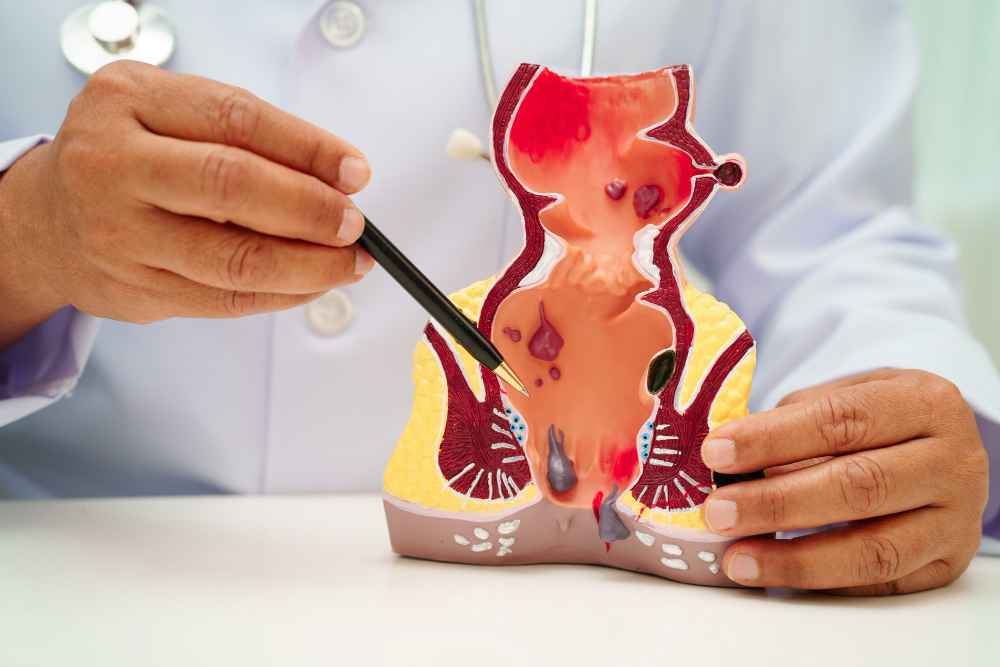
Piles, also called hemorrhoids, are swollen blood vessels in or around the anus and lower rectum. They can be inside the anus (internal) or outside (external). Piles may cause discomfort, itching, or bleeding. Sometimes, you may feel a lump near your anus. Although piles are common, many people feel shy to talk about them. But help is available, and piles treatment options work well for most people.
Key Differences Between Anal Fissure and Piles
Although both conditions affect the anal area, there are clear differences. For example, an anal fissure is a tear, while piles are swollen veins. Here are some main differences:
Symptoms Comparison
It is important to know the symptoms of each. This helps you spot the difference between anal fissure and piles. Below are common signs:
Causes and Risk Factors
Both conditions have different causes and risk factors. However, some factors can increase your risk for both. Here are the main causes:
As you can see, constipation is a common risk for both. Therefore, keeping your stools soft can help prevent these problems.
Diagnosis Methods
Doctors use simple exams to tell the difference between anal fissure and piles. First, they ask about your symptoms. Next, they may look at the area around your anus. Sometimes, a gentle exam with a gloved finger or a small tool helps find the problem. In rare cases, further tests like a scope may be needed. However, most cases are diagnosed by a physical exam and your medical history.
Treatment Options
Treatment depends on the cause and how severe your symptoms are. Many people get better with simple steps at home. Here are common treatment options:
For both, early treatment works best. According to the CDC and WHO, most mild cases improve without surgery.
Prevention Tips
Preventing anal fissure and piles is possible with healthy habits. Here are some tips on how to prevent anal fissure and piles:
With these steps, you can lower your risk of both conditions.
When to See a Doctor
Sometimes, home care is not enough. If you have severe pain, heavy bleeding, or symptoms that do not improve, see a doctor. Also, if you notice a lump that does not go away, get checked. Early care can help prevent problems and speed up healing. Remember, doctors are used to helping with these issues and can offer safe, effective treatments.
Conclusion
If you have pain or bleeding near your anus, do not wait to get help. Schedule a visit at Citi Hospital with Dr. Saliya Dharmayath for a caring and private consultation. Your comfort and health matter to us.