What is Acute Cholecystitis?
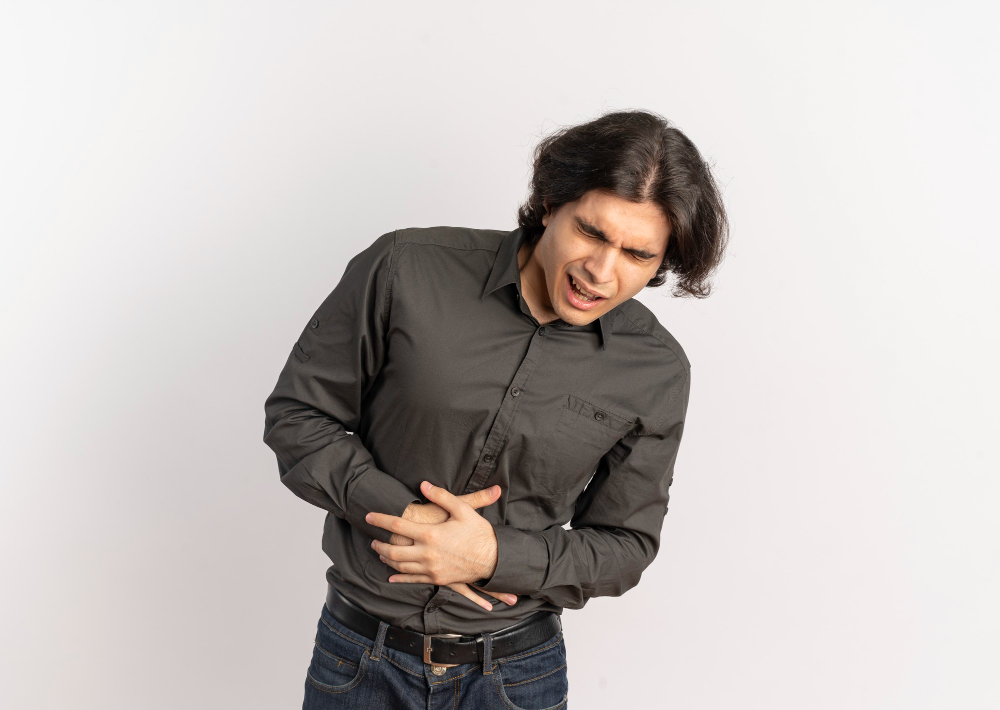
Acute cholecystitis is a sudden swelling and irritation of the gallbladder. The gallbladder is a small organ under your liver. It stores bile, which helps digest fat. When the gallbladder becomes inflamed, it can cause severe pain and other symptoms. Often, this condition needs quick medical care. According to the CDC, gallbladder problems are common and can affect people of all ages. However, adults are more likely to get acute cholecystitis.
Common Symptoms
Acute cholecystitis symptoms can appear suddenly. Early treatment helps prevent serious problems. Watch for these signs:
Sometimes, the pain gets worse after eating fatty foods. If you notice these symptoms, seek help right away.
Causes and Risk Factors
Most cases of acute cholecystitis happen when a gallstone blocks the tube leading out of the gallbladder. This blockage causes bile to build up, leading to inflammation. But, there are other causes too. For example, infections or injuries can also trigger this condition.
Some risk factors include:
Knowing these risks can help you make healthy choices.
How Acute Cholecystitis is Diagnosed
Doctors use several steps to find out if you have acute cholecystitis. First, they ask about your symptoms and do a physical exam. Next, they may order tests to confirm the diagnosis. For example, these tests can include:
Early diagnosis is important. It helps prevent serious complications. If you wonder how is acute cholecystitis diagnosed, these are the main steps.
Treatment Options
Treatment for acute cholecystitis depends on how severe the problem is. In most cases, a hospital stay is needed. Doctors may start with:
Sometimes, surgery is needed to remove the gallbladder. This is called a cholecystectomy. Most people recover well after surgery. If you need acute cholecystitis treatment in your area, ask your doctor about the best options.
Prevention Tips
While not all cases can be prevented, you can lower your risk. Try these tips:
Making small changes can help protect your gallbladder.
When to See a Doctor
If you have sudden, severe belly pain, do not wait. Seek medical help right away. Also, if you have fever, chills, or yellow skin, call your doctor. Early treatment can prevent serious problems. Remember, acute cholecystitis is a medical emergency. Quick care can save your health.
If you suspect acute cholecystitis, consult Dr. Saliya Dharmayath at Citi Hospital for personalized advice.