Introduction
Colorectal cancer surgery is a common way to treat cancer in the colon or rectum. In recent years, many doctors have started using minimally invasive treatment for these surgeries. This new approach uses smaller cuts and special tools. As a result, patients often recover faster and feel less pain. In this blog, we will explain what colorectal cancer surgery is, how minimally invasive surgery works, and why it is becoming more popular.
What Is Colorectal Cancer Surgery?
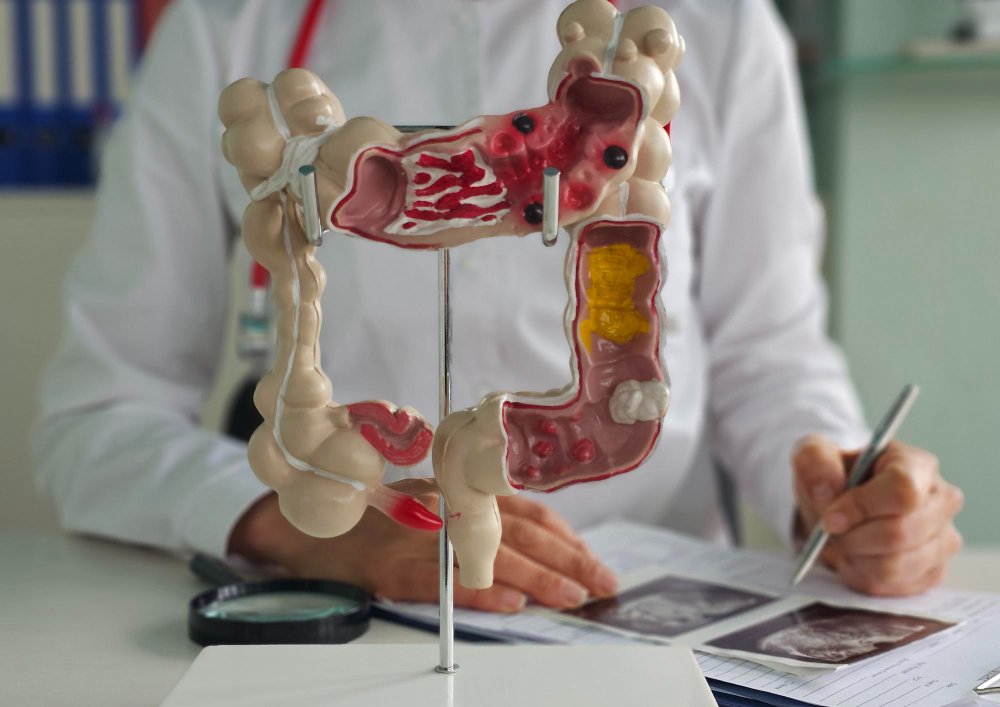
Colorectal cancer surgery removes cancer from the colon or rectum. Sometimes, doctors remove only the tumor. Other times, they may need to take out a part of the colon or rectum. In some cases, nearby lymph nodes are also removed. Surgery is often the main treatment for early-stage colorectal cancer. According to the CDC, surgery can help many people live longer and healthier lives.
Understanding Minimally Invasive Surgery
Minimally invasive colorectal surgery uses small cuts instead of one large cut. Surgeons use thin tools and a camera to see inside the body. For example, laparoscopic colorectal cancer treatment is a common type. The camera sends images to a screen, so doctors can work with great care. Because the cuts are small, patients usually heal faster. Robotic surgery is another type of minimally invasive surgery. It uses a robot to help the surgeon move the tools with more control.
Why Is Minimally Invasive Treatment Growing?
Many hospitals now offer minimally invasive colorectal surgery. This trend is growing for several reasons. First, new technology has made these surgeries safer and easier. Second, patients want treatments that help them recover quickly. Third, studies show that minimally invasive surgery often leads to fewer problems after surgery. For example, the World Health Organization notes that these methods can lower the risk of infection and pain.
Benefits of Minimally Invasive Colorectal Surgery
There are many advantages of minimally invasive surgery. Some of the main benefits include:
Because of these benefits, more people are choosing minimally invasive colorectal surgery when possible.
Who Is a Candidate for Minimally Invasive Surgery?
Not everyone can have minimally invasive colorectal cancer surgery. However, many people are good candidates. Doctors look at several factors, such as:
For example, people with early-stage cancer or small tumors often qualify. But, those with large tumors or other health problems may need traditional surgery. It is important to talk to a specialist to see which option is best.
Risks and Considerations
Even though minimally invasive surgery has many benefits, there are some risks. For instance, there may be a chance of bleeding or infection. Sometimes, the surgeon may need to switch to open surgery if problems arise. Also, not all hospitals have the right tools or trained staff. Therefore, it is important to choose a hospital with experience in minimally invasive colorectal surgery. The American Cancer Society suggests asking your doctor about the risks and benefits before making a decision.
Recovery and Lifestyle After Surgery
After minimally invasive colorectal cancer surgery, most people recover faster than with open surgery. Many patients go home within a few days. They can often return to normal activities sooner. However, everyone heals at their own pace. Eating healthy foods, staying active, and following your doctor’s advice can help speed up recovery. If you have any pain or problems, contact your doctor right away. Regular check-ups are also important to watch for any signs of cancer returning.
Prevention and Early Detection Tips
While surgery can treat colorectal cancer, prevention is always better. Here are some tips to lower your risk:
Early detection can make treatment easier and more successful. The CDC recommends regular screening for everyone over 45, or earlier if you have risk factors.
Conclusion
Minimally invasive colorectal cancer surgery is helping more people recover faster and with fewer problems. Because of new technology and better training, this treatment is growing in popularity. If you or a loved one needs colorectal cancer surgery, talk to a specialist about all your options. Consult a specialist at Citi Hospital for personalized guidance on colorectal cancer surgery and minimally invasive options.