

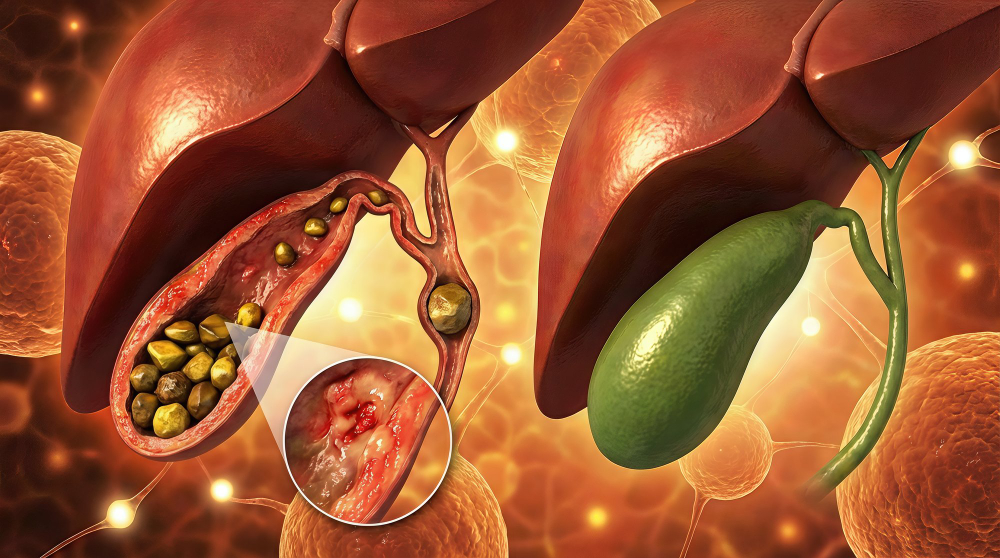
What Are Gallbladder Stones?
Gallbladder stones, also called gallstones, are small, hard pieces that form in the gallbladder. The gallbladder is a small organ under your liver. It stores bile, which helps your body digest fat. Sometimes, bile can harden and form stones. These stones can be as small as a grain of sand or as large as a golf ball. For many people, gallbladder stones do not cause problems. However, some people may develop symptoms or complications.
Common Symptoms of Gallbladder Stones
Not everyone with gallbladder stones has symptoms. Still, when symptoms do appear, they can be uncomfortable. For example, you might feel pain in the upper right side of your belly. This pain can come and go. Sometimes, it gets worse after eating fatty foods. Other gallbladder stone symptoms include:
Because these symptoms can also be caused by other problems, it is important to see a doctor for the right diagnosis.
Causes and Risk Factors
Gallbladder stones form when there is an imbalance in the substances that make up bile. For instance, too much cholesterol or bilirubin can lead to stones. Several factors can increase your risk, such as:
Because some risk factors cannot be changed, it helps to know your personal risk.
How Gallbladder Stones Are Diagnosed
Doctors use several tests to find gallbladder stones. First, they may ask about your symptoms and health history. Next, they often order an ultrasound. This test uses sound waves to create pictures of your gallbladder. Sometimes, other scans or blood tests are needed. Blood tests can show signs of infection or problems with your liver or pancreas. If you have gallbladder stone symptoms, your doctor will decide which tests are best for you.
When Is Surgery Necessary for Gallbladder Stones?
Many people wonder when to remove the gallbladder. Surgery is not always needed for gallbladder stones. However, doctors may suggest surgery if you have:
For example, if you have ongoing pain or complications, surgery may be the safest option. The most common surgery is called laparoscopic cholecystectomy. In this procedure, doctors remove the gallbladder through small cuts in your belly. If you are looking for gallbladder surgery in your city, ask your doctor about local options and what to expect.
Treatment Options Besides Surgery
Not everyone with gallbladder stones needs surgery. If you do not have symptoms, your doctor may suggest watchful waiting. This means you do not need treatment unless problems develop. In some cases, medicines can help dissolve certain types of stones. However, these medicines work slowly and are not always effective. Sometimes, doctors use procedures to remove stones from the bile duct without taking out the gallbladder. Still, these options are not right for everyone. Your doctor will help you choose the best treatment for gallstones based on your health and symptoms.
Prevention and Lifestyle Tips
While you cannot prevent all gallbladder stones, some steps may lower your risk. For instance, you can:
Because small changes can make a big difference, talk to your doctor about your risk for gallbladder stones. They can help you find safe ways to protect your health and avoid surgery when possible.