What is a Herniated Disc?
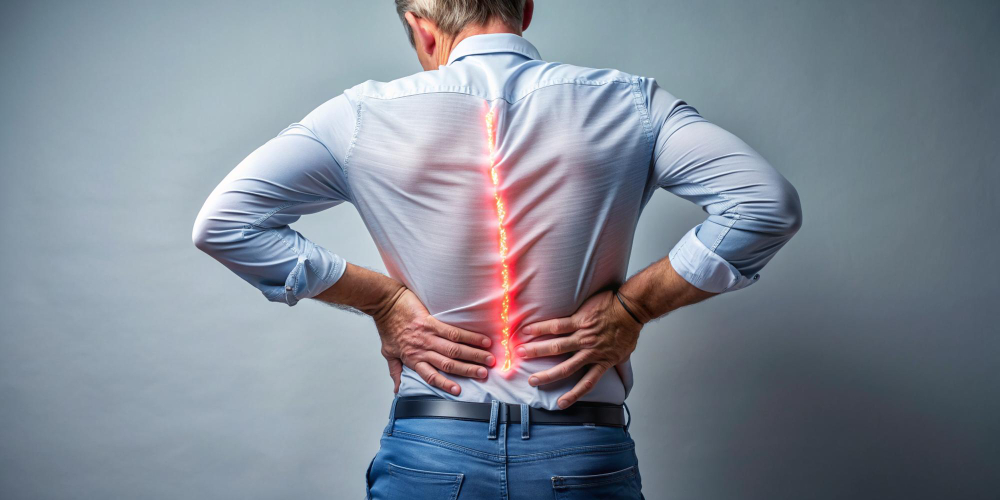
A herniated disc, also known as a slipped disc, is a common cause of back pain. In your spine, small, soft discs sit between the bones. These discs act like cushions. Sometimes, a disc can break open or move out of place. When this happens, it is called a herniated disc or spinal disc injury. Because the disc presses on nearby nerves, you may feel pain or numbness. Many people look for treatment options for herniated disc to get relief.
Common Symptoms of a Herniated Disc
Not everyone with a herniated disc has symptoms. However, many people notice changes in how they feel. For example, you may have:
Sometimes, symptoms can be mild. But in other cases, they may be severe. If you have trouble controlling your bladder or bowels, seek help right away. This could be a sign of a serious problem.
Causes and Risk Factors
There are several reasons why a herniated disc can happen. Most often, it is due to wear and tear as you age. Over time, the discs in your spine lose water and become less flexible. As a result, they can break more easily. Other causes and risk factors include:
Even though anyone can get a herniated disc, it is more common in people aged 30 to 50.
How is a Herniated Disc Diagnosed?
Doctors use several steps to find out if you have a herniated disc. First, they ask about your symptoms and medical history. Next, they do a physical exam to check your strength, reflexes, and feeling in your arms or legs. Sometimes, doctors order tests such as:
With these tools, your doctor can find the cause of your back pain and suggest the best treatment options for herniated disc.
Treatment Options for Herniated Disc
Many people recover from a herniated disc without surgery. In fact, most symptoms improve within a few weeks. Common treatment options include:
However, if your pain does not get better, or if you have severe symptoms, surgery may be needed. Your doctor will talk with you about the best treatment for your situation. If you are looking for herniated disc treatment in your city, ask your doctor about local options.
Lifestyle Tips and Prevention
There are steps you can take to lower your risk of a herniated disc. For example:
Even if you have had a herniated disc before, these tips can help prevent future problems. Staying active and making healthy choices are key.
Conclusion
In summary, a herniated disc can cause back pain, leg pain, numbness, or weakness that can affect your daily activities. However, with the right diagnosis and treatment, most people experience significant relief and recovery over time. If you suspect a herniated disc, consult Dr. Saliya Dharmayath at Citi Hospital for personalized guidance and expert care. Early treatment can help relieve symptoms, prevent complications, and get you back to your daily life sooner.