

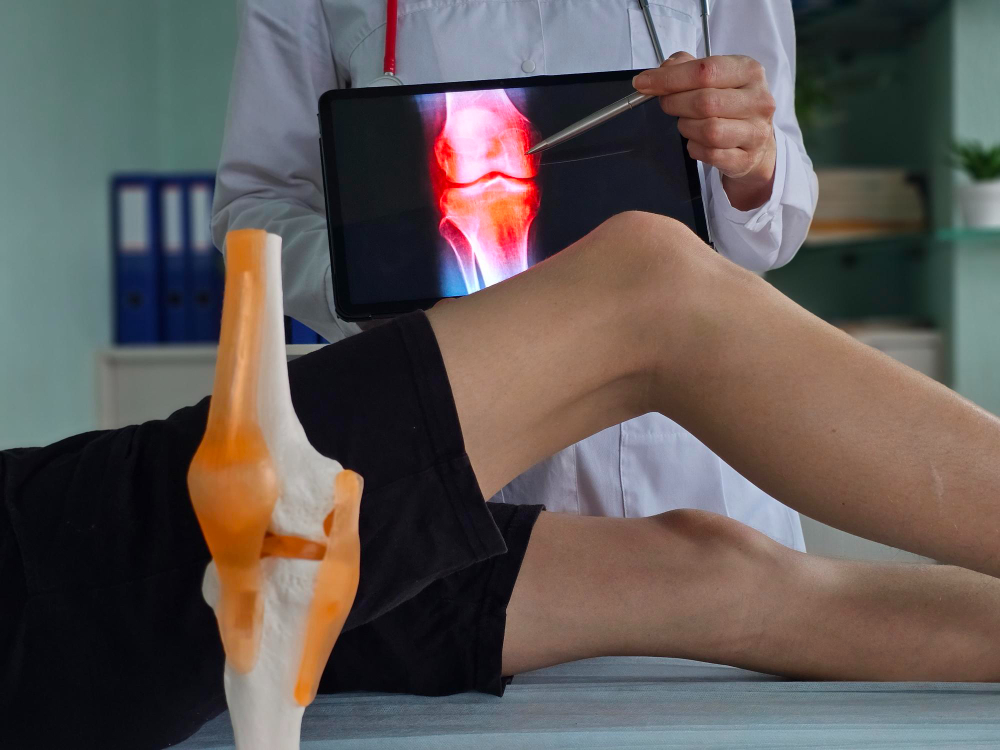
Knee replacement FAQs are important for anyone thinking about this surgery. Many people have questions about knee replacement surgery, recovery, and possible risks. This guide answers the most common questions in simple language. If you are considering knee replacement, these answers can help you feel more prepared.
What Is Knee Replacement?
Knee replacement is a surgery. In this procedure, a doctor removes damaged parts of your knee joint. Then, the doctor replaces them with artificial parts, often made of metal and plastic. As a result, the new knee can help reduce pain and improve movement. Many people choose this surgery when other treatments do not work.
Who Needs Knee Replacement Surgery?
Not everyone with knee pain needs surgery. Usually, doctors suggest knee replacement for people who:
However, your doctor will help decide if surgery is right for you.
What Are the Symptoms That Indicate a Need for Knee Replacement?
Some signs may show you need knee replacement. For example, you may notice:
If you have these symptoms, talk to your doctor. Early advice can help you plan the best treatment.
How Is Knee Replacement Diagnosed?
First, your doctor will ask about your symptoms. Next, they will check your knee for movement and pain. Often, doctors use X-rays or MRI scans to see the inside of your knee. These tests help show how much damage is present. Based on this, your doctor can decide if knee replacement is needed.
What Does the Knee Replacement Procedure Involve?
Knee replacement surgery usually takes one to two hours. During the procedure:
After surgery, you will move to a recovery room. Nurses will watch you closely as you wake up.
What Are the Risks and Benefits?
Knee replacement has many benefits. For instance, it can:
However, every surgery has risks. These may include:
Still, most people have good results. According to the CDC, serious problems are rare when the surgery is done by skilled doctors.
How Long Is the Recovery Process?
Recovery after knee replacement takes time. Usually, you stay in the hospital for one to three days. After that, you may need help at home for a few weeks. Physical therapy starts soon after surgery. It helps you regain strength and movement. Most people can walk with support within days. However, full recovery may take three to six months. With time, you should notice less pain and better movement.
What Lifestyle Changes Are Needed After Surgery?
After knee replacement, some changes can help your new knee last longer. For example:
With these steps, you can protect your new knee and enjoy better movement.
How Can Complications Be Prevented?
There are ways to lower your risk of problems after knee replacement. For instance:
If you notice any problems, contact your doctor right away. Early action can prevent bigger issues.
What Are the Latest Advances in Knee Replacement?
New advances make knee replacement safer and more effective. For example, doctors now use:
These advances help patients recover faster and enjoy better results. According to recent studies in medical journals, most people are satisfied with their new knees.
Conclusion
Knee replacement FAQs cover many important topics. If you have knee pain that limits your life, this surgery may help. However, every person is different. Consult an orthopedic specialist at Citi Hospital (Dr. Saliya Dharmayath) for personalized advice on knee replacement.