

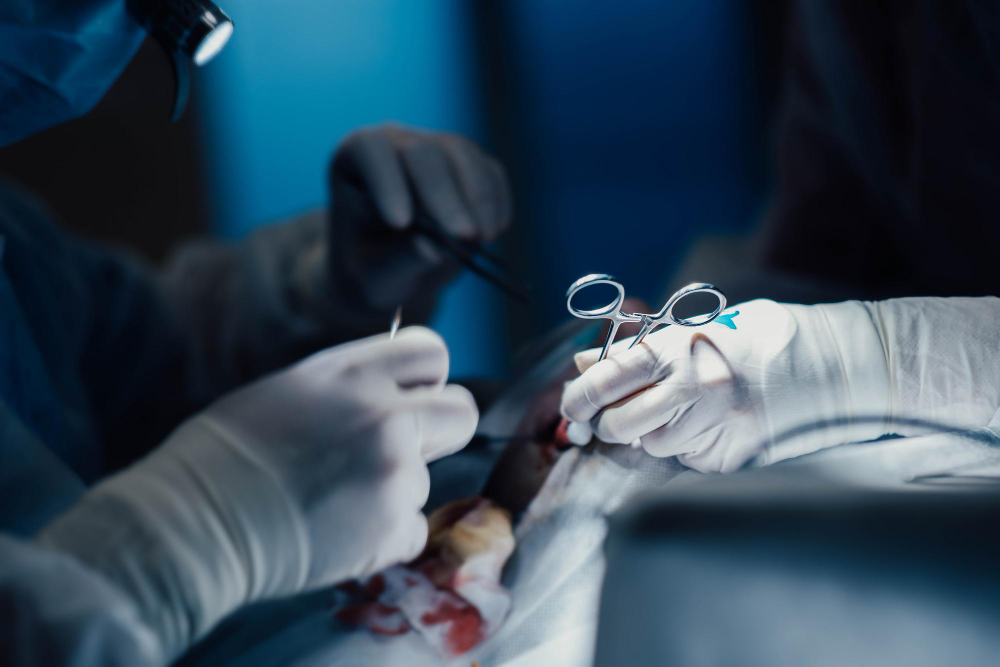
Introduction to Knee Replacement
Knee replacement is a surgery that helps people with severe knee pain. Doctors remove damaged parts of the knee and replace them with artificial parts. Many people choose knee replacement when pain limits daily life. In fact, this surgery can help you walk, climb stairs, and enjoy activities again. According to the CDC, knee replacement is safe and common.
Common Symptoms and Conditions Leading to Knee Replacement
Many people feel pain, swelling, or stiffness in their knees. Sometimes, these symptoms make it hard to move or sleep. Often, knee replacement is needed for:
Causes and Risk Factors
Many causes can lead to knee problems. For example, osteoarthritis is the most common reason for knee replacement. Other causes include rheumatoid arthritis or injuries. Some risk factors make knee issues more likely:
Diagnosis and When Surgery Is Recommended
Doctors use exams and tests to check your knee. Usually, they ask about your pain and daily activities. X-rays or MRI scans help show damage inside the knee. If pain does not improve with medicine, therapy, or other treatments, surgery may be the next step. However, your doctor will discuss all options before recommending knee replacement.
Types of Knee Replacement Procedures
There are different types of knee replacement surgery. Your doctor will choose the best one for you. The main types include:
Step-by-Step Explanation of the Surgical Process
Knowing what happens during surgery can help you feel prepared. Here is a simple step-by-step guide:
Expected Benefits and Outcomes
Knee replacement offers many benefits. For instance, most people feel less pain and move better after surgery. Some key benefits include:
According to the American Academy of Orthopaedic Surgeons, most knee replacements last 15 years or more.
Recovery Timeline and Rehabilitation Tips
Recovery from knee replacement takes time. However, most people start moving their knee within a day. Here is a general timeline:
To recover well, follow your doctor’s advice. For example, do exercises, eat healthy foods, and keep your wound clean. If you notice swelling, redness, or fever, contact your doctor right away.
Lifestyle Guidance After Surgery
After knee replacement, you can enjoy many activities again. Still, you should protect your new knee. Here are some tips:
Prevention of Complications
Most people recover well, but problems can happen. To prevent complications:
Early action helps prevent serious issues.
Frequently Asked Questions
Conclusion
Knee replacement can greatly improve your life if you have severe knee pain. However, it is important to know what to expect and how to recover. Always talk to your doctor about your options. Consult Dr. Saliya Dharmayath to discuss if knee replacement is right for you.