What is Laparoscopic Surgery?
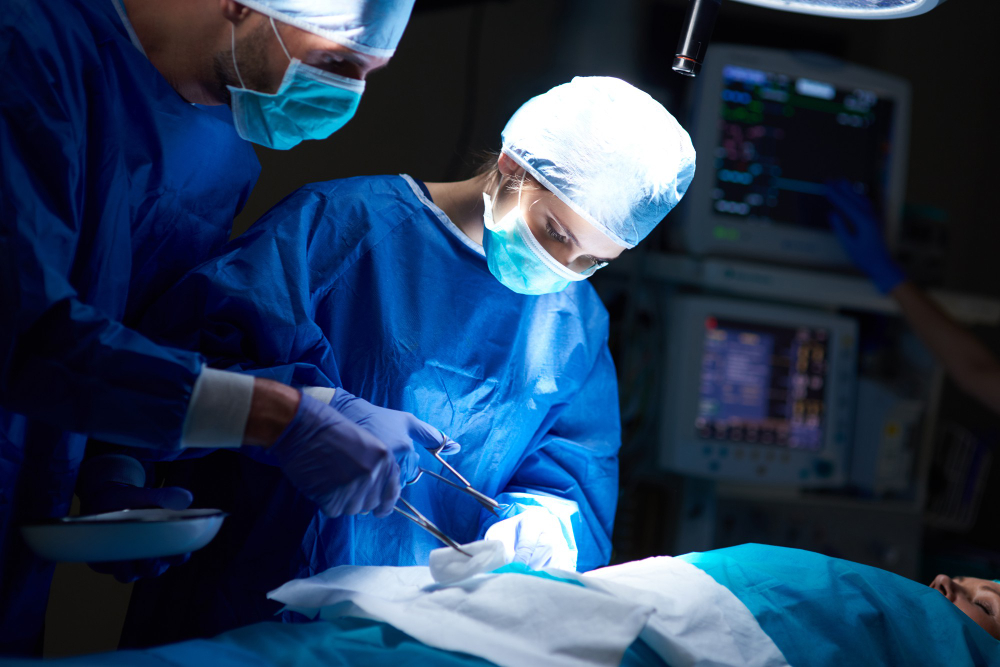
Laparoscopic surgery is a type of minimally invasive surgery. It uses small cuts, often less than an inch long. During the procedure, doctors insert a thin tube with a camera, called a laparoscope, through one of these cuts. Because of this, surgeons can see inside the body on a screen. They use special tools through other small cuts to perform the surgery. As a result, laparoscopic surgery often leads to less pain and a quicker return to daily life.
How Laparoscopic Surgery Differs from Traditional Surgery
Traditional surgery, also called open surgery, needs larger cuts to reach the area being treated. In contrast, laparoscopic surgery uses much smaller cuts. For example, open surgery may need a cut several inches long. However, laparoscopic surgery usually needs only a few small cuts. This difference means less damage to skin and muscle. Because of this, patients often heal faster and have fewer problems after surgery.
Benefits of Smaller Cuts in Laparoscopic Surgery
Smaller cuts offer many benefits. First, there is usually less pain after surgery. Second, the risk of infection is lower. Third, scars are smaller and may fade more quickly. Additionally, people often spend less time in the hospital. According to the World Health Organization, minimally invasive surgery can reduce hospital stay and speed up healing. Here are some key benefits:
Typical Conditions Treated with Laparoscopic Surgery
Doctors use laparoscopic surgery for many health problems. For instance, it is common for gallbladder removal. In addition, it helps with hernia repairs and some types of bowel surgery. Many women have laparoscopic surgery for ovarian cysts or endometriosis. Surgeons may also use it for appendix removal and weight loss surgery. Because it is less invasive, more people can benefit from this approach.
Recovery Process After Laparoscopic Surgery
Recovery after laparoscopic surgery is often quicker than with open surgery. Most people go home the same day or after one night in the hospital. However, everyone heals at their own pace. During the first few days, you may feel sore or tired. Still, most people can walk and eat soon after surgery. You may return to light activities within a week. Full recovery may take two to four weeks, depending on the procedure. Always follow your doctor’s advice for the best results.
Tips for a Smooth Recovery
There are steps you can take to help your body heal. For example, follow these tips for a smoother recovery after minimally invasive surgery:
With proper care, most people enjoy a faster healing process and a reduced hospital stay after laparoscopic surgery.
Conclusion
If you are considering laparoscopic surgery or have questions about your recovery, Citi Hospital Dr. Saliya Dharmayath is here to help. Schedule a consultation today to discuss your options and get expert guidance.