

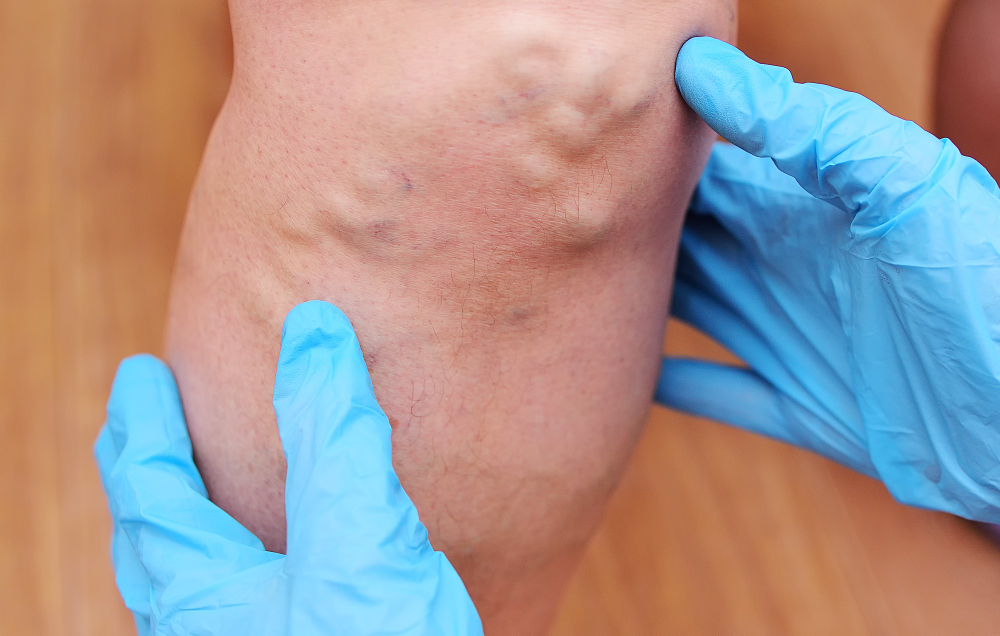
What Is a Lipoma?
Many people notice a lump under the skin and worry. Often, this lump is a lipoma. A lipoma is a soft tissue lump made of fat cells. Usually, it grows slowly and feels soft or rubbery. Most lipomas are not cancer. In fact, doctors call them benign tumors. However, every lump should be checked by a doctor to make sure it is safe.
Common Symptoms of Lipomas
Although lipomas are usually harmless, they can cause concern. For example, you might notice:
Sometimes, lipomas can press on nerves and cause discomfort. Still, most people do not feel pain.
Causes and Risk Factors
Doctors do not always know why lipomas form. However, some risk factors can make them more likely. For instance, lipomas may run in families. Also, adults between ages 40 and 60 get them more often. Rarely, an injury can trigger a lump under the skin. Even so, most people never know the exact cause.
How to Tell If a Lump Might Be Something Else
Not every lump is a lipoma. Sometimes, a lump could be another type of benign tumor or, rarely, something more serious. For example, watch for these signs:
Because some lumps can be cancerous, it is important to get a lump evaluation from a doctor.
When to See a Doctor
Even though most lumps are harmless, you should see a doctor if you notice:
Early evaluation helps rule out serious problems. Moreover, doctors can offer peace of mind. If you are in need of a lipoma evaluation in your city, many clinics offer this service.
Diagnosis: How Doctors Evaluate Lumps
First, your doctor will ask about your symptoms and medical history. Next, they will examine the lump. Sometimes, they may order tests such as:
These steps help doctors decide if the lump is a lipoma or something else. According to the CDC, most soft tissue lumps are not cancer, but testing is the only way to be sure.
Treatment Options for Lipomas and Other Lumps
Many lipomas do not need treatment. However, doctors may suggest removal if the lump:
Surgical removal is the most common treatment. Sometimes, doctors use a needle to remove fat from the lump. For other types of lumps, treatment depends on the cause. Your doctor will explain the best options for you.
Prevention and Self-Care Tips
Although you cannot always prevent lipomas, you can watch for changes in your skin. For example:
Early lump evaluation helps catch problems before they get worse. Staying aware of your body is always a good idea. Consult at Citi Hospital