Introduction
Many women have questions about PCOS diagnosis and treatment. PCOS, or polycystic ovary syndrome, is a common health problem. It affects millions of women worldwide. Early PCOS diagnosis helps women find the right treatment options. In this guide, you will learn about PCOS, its symptoms, causes, and how doctors diagnose and treat it. You will also find tips for managing PCOS symptoms and improving your health.
What is PCOS?
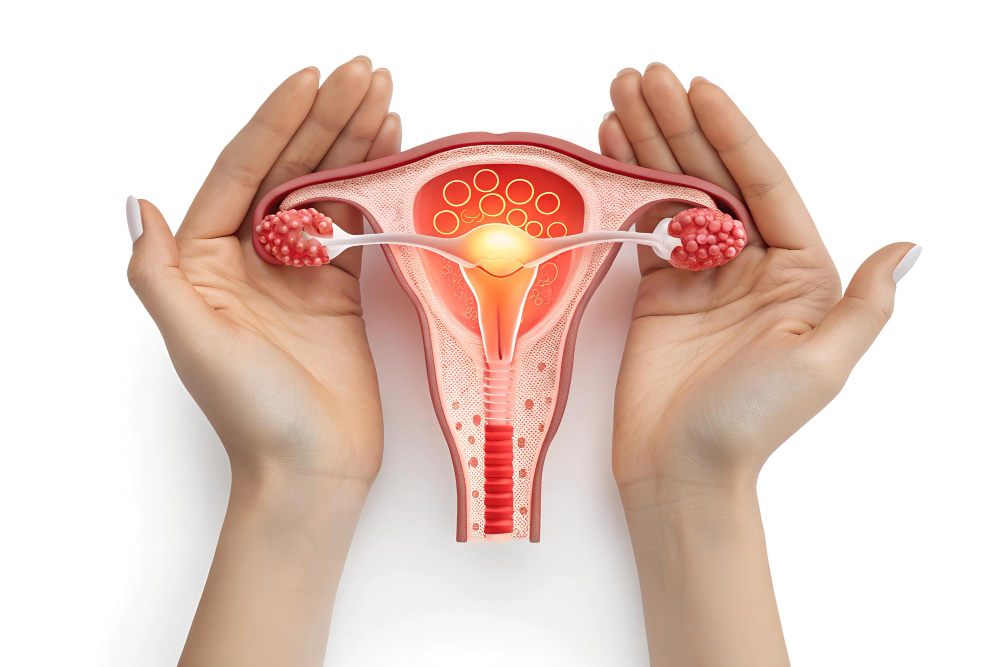
PCOS stands for polycystic ovary syndrome. It is a condition where a woman’s ovaries do not work as they should. Because of this, hormone levels become unbalanced. As a result, women may have irregular periods, trouble getting pregnant, or other symptoms. PCOS is one of the most common causes of infertility in women. However, with the right care, many women manage PCOS well.
Common Symptoms
PCOS symptoms can be different for each woman. Some women have mild symptoms, while others have more severe ones. Still, knowing the common signs can help you seek help early. For example, you may notice:
Not all women have every symptom. But if you notice several of these, it is wise to talk to your doctor.
Causes of PCOS
Doctors do not know the exact cause of PCOS. However, several factors may play a role. For instance, genetics can increase your risk. If your mother or sister has PCOS, you may be more likely to have it too. In addition, high levels of insulin, a hormone that controls blood sugar, can lead to PCOS. Because of this, women with PCOS often have insulin resistance. This means their bodies do not use insulin well. As a result, hormone levels change and symptoms appear.
How PCOS is Diagnosed
Doctors use several steps for PCOS diagnosis. First, they ask about your symptoms and medical history. Next, they may do a physical exam. After that, your doctor may order blood tests to check hormone levels. In many cases, an ultrasound is used to look at your ovaries. This test can show if there are small cysts or changes in the ovaries. According to the CDC, a woman is diagnosed with PCOS if she has at least two of these:
Because other conditions can look like PCOS, your doctor may do extra tests to rule them out. Early PCOS diagnosis helps you start treatment sooner.
Treatment Options for PCOS
PCOS treatment options depend on your symptoms and health goals. While there is no cure, many treatments help manage symptoms. For example, your doctor may suggest:
Sometimes, doctors recommend surgery if other treatments do not work. However, most women manage PCOS with medicine and lifestyle changes. Always talk to your doctor about the best PCOS treatment options for you.
Lifestyle Tips for Managing PCOS
Besides medicine, healthy habits can help you manage PCOS symptoms. For instance, you can:
Even small changes can make a big difference. In fact, losing just 5% of your body weight can improve symptoms for many women. Because every woman is different, your doctor can help you create a plan that works for you.
Prevention and Outlook
There is no sure way to prevent PCOS. However, healthy habits may lower your risk or help control symptoms. For example, staying active and eating well can help keep your hormones balanced. With early PCOS diagnosis and the right treatment, most women lead healthy lives. According to the World Health Organization, regular check-ups and ongoing care are important. This helps prevent long-term problems like diabetes or heart disease.
Conclusion
PCOS diagnosis and treatment are important for women’s health. If you notice symptoms, do not wait to seek help. Early diagnosis leads to better outcomes. Because PCOS affects each woman differently, treatment plans should be personal. Consult at Citi Hospital with Dr. Saliya Dharmayath for personalized advice on PCOS diagnosis and treatment.