

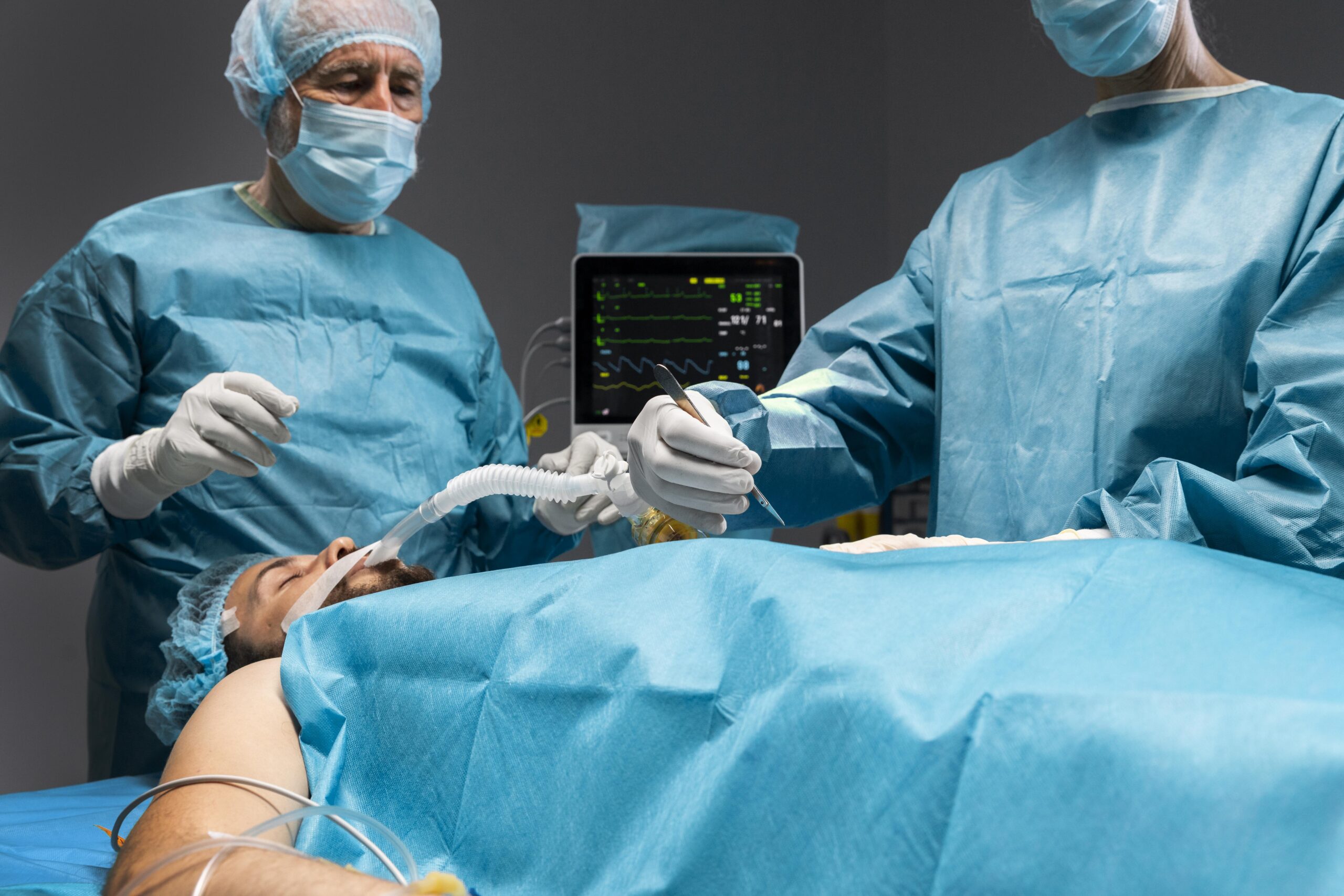
What Is Spleen Removal Surgery (Splenectomy)?
Spleen removal surgery, also called splenectomy, is a procedure to take out the spleen. The spleen is an organ in the upper left side of your belly. It helps fight infections and filters blood. Sometimes, doctors need to remove the spleen if it is damaged or diseased. Although you can live without a spleen, you may need to take extra steps to stay healthy after surgery.
Reasons for Spleen Removal
There are several reasons why a doctor may suggest spleen removal surgery. For example, you might need this surgery if:
In many cases, doctors try other treatments first. However, if these do not work, surgery may be needed.
Symptoms and Signs That May Lead to Surgery
Sometimes, people do not notice any symptoms. But often, certain signs can suggest a problem with the spleen. For instance, you may feel pain or fullness in the upper left side of your belly. You might also notice:
If you have these symptoms, it is important to see a doctor. Early diagnosis can help prevent serious problems.
How Spleen Removal Surgery Is Performed
Doctors can remove the spleen in two main ways. First, there is open surgery. In this method, the surgeon makes a cut in your belly to remove the spleen. Second, there is laparoscopic surgery. Here, the surgeon makes a few small cuts and uses a camera and special tools. Laparoscopic surgery often means less pain and a quicker recovery. However, not everyone is a candidate for this type. Your doctor will choose the best method based on your health and the reason for surgery.
Risks and Potential Complications
Like all surgeries, spleen removal surgery has some risks. For example, you may have:
Although most people recover well, it is important to know about these splenectomy risks. Your doctor will discuss these with you before surgery.
Recovery Process and Aftercare
After spleen removal surgery, you will spend some time in the hospital. Most people stay for a few days. If you have laparoscopic surgery, you may go home sooner. During recovery, you may feel tired and sore. But with rest, you should feel better each day. To help your recovery:
For many, spleen removal surgery recovery takes a few weeks. However, everyone heals at their own pace.
Lifestyle Changes and Prevention of Infections After Surgery
After your spleen is removed, you are more likely to get infections. Therefore, you will need to take extra care. For example, your doctor may recommend:
Life after spleen removal can be healthy if you follow these steps. With good care, most people live normal lives after surgery.
Conclusion
Spleen removal surgery can help treat serious health problems. However, it is important to understand the risks and recovery process. Always talk to your doctor about your options. Consult a qualified surgeon at Citi Hospital to discuss your options and receive personalized advice regarding spleen removal surgery.